Cleaning Sheffield's Stone Terraces and Yorkshire Stone-Slate Roofs Safely
Your roof is probably older than you think, and if you live in one of Sheffield's stone terraces, it may be carrying slate that was quarried within a few miles of your front door. That kind of roof deserves a bit of care.
Sheffield grew up as a stone city on the edge of the Pennines, and the roofs show it. Gritstone walls, heavy stone-slate coverings, and old lime mortar all react badly to rough handling. Clean them the wrong way and you cause the very damage you were trying to prevent.
The quick answer: Sheffield's stone terraces and Yorkshire stone-slate roofs should be cleaned with low-pressure soft washing, not a pressure lance. A gentle wash with the right biocide lifts moss and algae while leaving the stone, the slate and the mortar joints intact.
1. Why Sheffield roofs are built from stone in the first place
Sheffield sits right where the coalfield meets the gritstone edges of the Peak District. For centuries the cheapest, closest building material wasn't clay or imported tile. It was the sandstone and gritstone dug out of local quarries and hillsides.
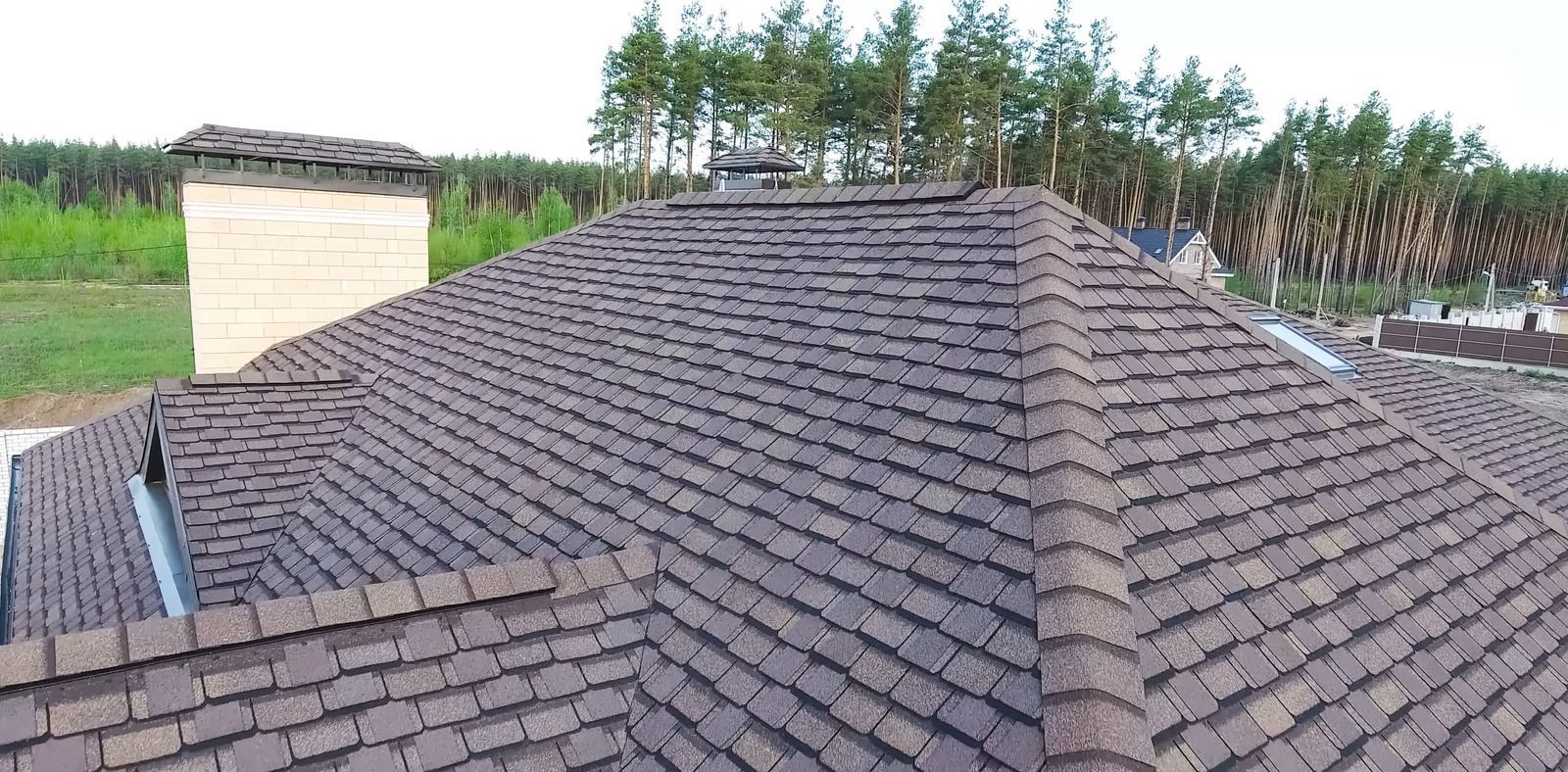
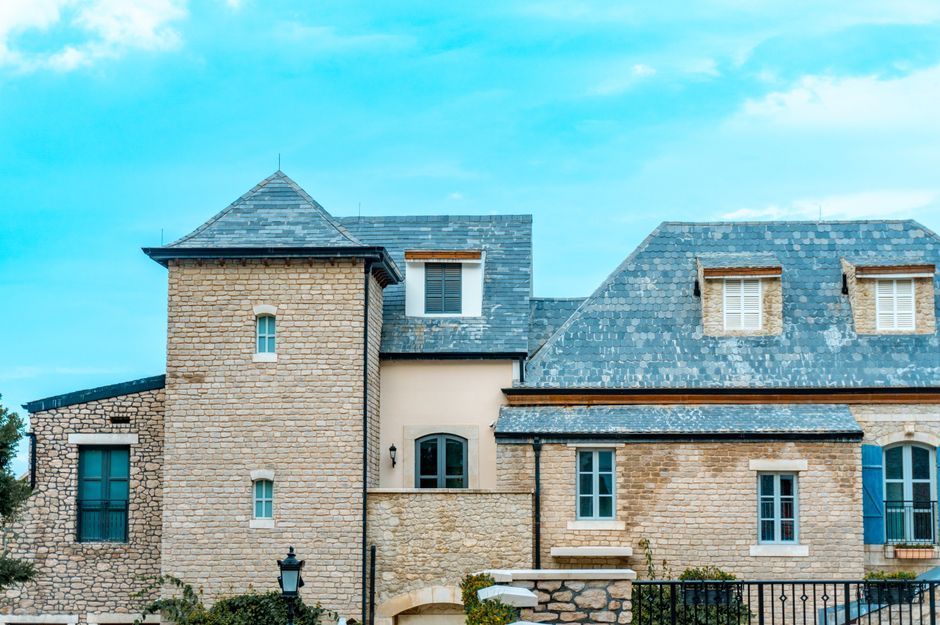
That's why so many terraces in areas like Walkley, Crookes and Nether Edge wear thick stone-slate roofs. These aren't thin factory tiles. They're split slabs of sandstone, laid in graded courses with the biggest at the eaves and the smallest near the ridge.
And they're heavy. A stone-slate roof puts real weight on the timbers, so the last thing it needs is someone stomping around with a pressure washer cracking slabs that have sat quietly for a hundred years.
2. What makes stone slate different from a normal tile
Sandstone is porous. It drinks water, holds it, and slowly weathers along its natural bedding lines. A modern concrete tile has a hard sealed face. Yorkshire stone slate does not, and that changes everything about how you clean it.
Blast porous stone with high pressure and you drive water deep into the slab. You also strip the weathered surface, open up the bedding, and speed up the flaking that eventually splits a slate in two. I've seen roofs aged ten years in a single afternoon by a cheap jet-wash job.
Soft washing works with the stone instead of against it. Low-pressure water carries a biocide across the surface, the treatment kills the moss and algae at the root, and nature rinses the rest away over the following weeks.
3. The moss problem on the Pennine edge
Sheffield's western suburbs climb toward the moors, and they catch more rain than the lower, eastern side of the city. Fulwood, Crosspool and Ranmoor sit high and damp, and damp is exactly what moss wants.
Stone slate makes it worse. The rough, porous surface and the gaps between courses give moss spores somewhere to grab hold. Once a clump takes root in a joint, it holds water against the stone and works its way under the slates.
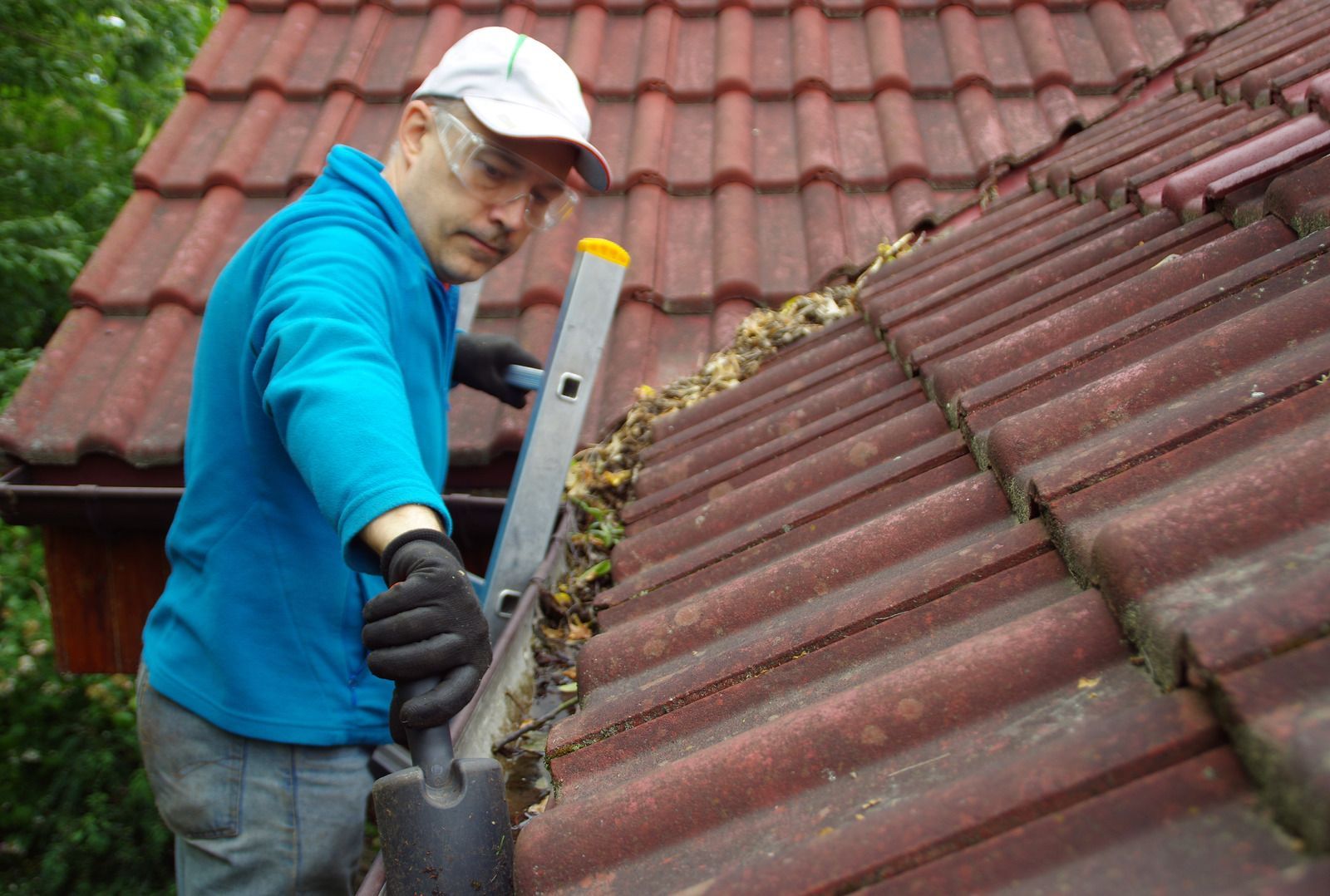
Left alone, that moss lifts slates, blocks the flow of rainwater, and drops chunks into your gutters every autumn. Clearing it early is far cheaper than replacing cracked slabs later.
4. Why old mortar is the weak point
Plenty of Sheffield terraces still have their original lime mortar in the ridges and around the chimneys. Lime is softer than modern cement, and it's meant to be. It lets the roof breathe and move.
But soft mortar and pressure washers are a terrible match. A high-pressure jet chews straight through old bedding, washes it out of the joints, and leaves ridge tiles loose and rocking. Then the rain gets in.
Low-pressure cleaning leaves that mortar where it belongs. If a ridge does need repointing, that's a separate repair, and it should be handled as one, not caused by careless washing.
5. Working safely on Sheffield's hillside streets
The city is famously built across a cluster of hills, and the terraces follow the slopes. Streets in places like Crookes and Heeley tilt at angles that make ladder work genuinely tricky.
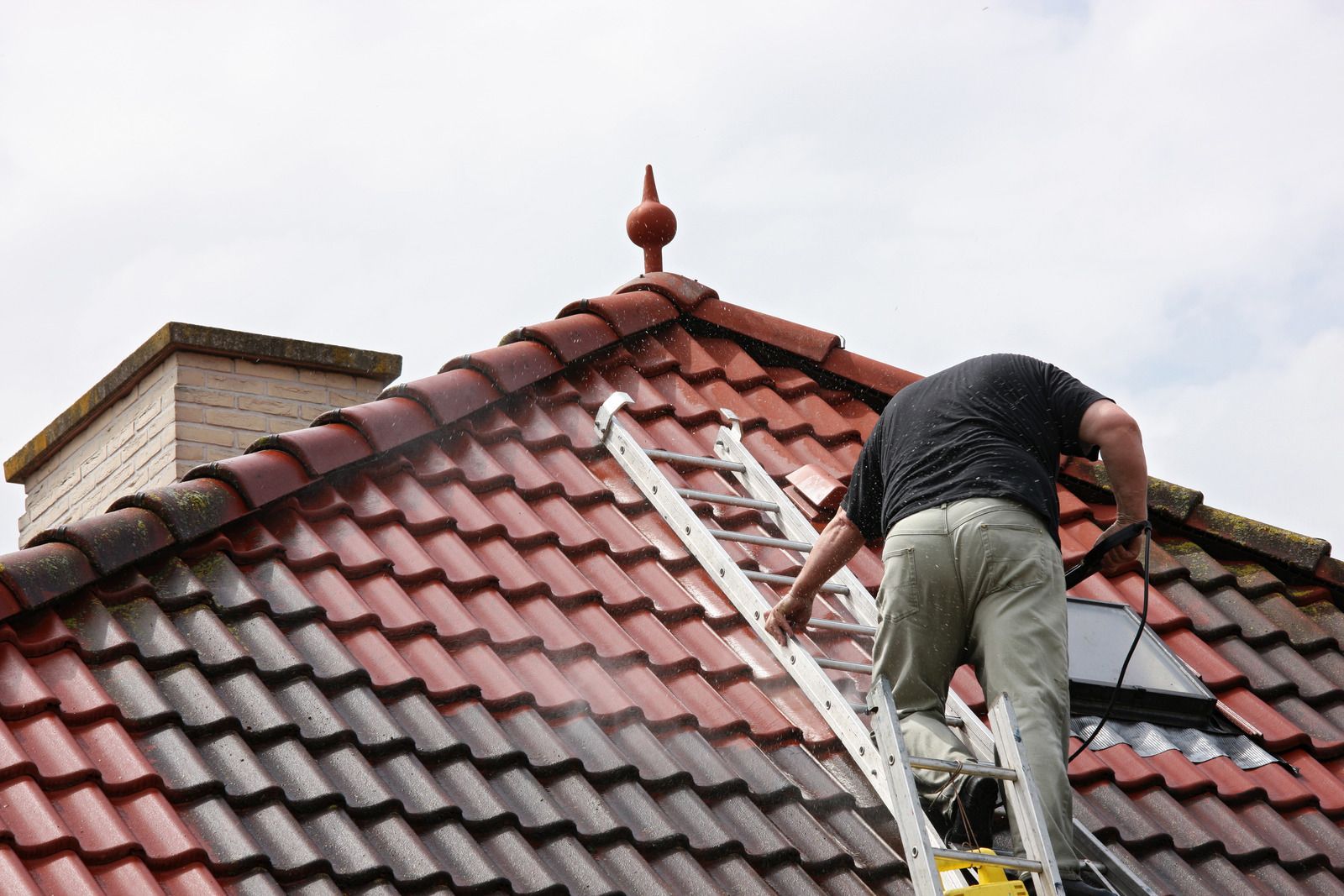
A sloping street means an uneven ladder footing, and an uneven footing is how accidents happen. Safe roof cleaning here is as much about access and footing as it is about the wash itself.
Good operators plan the setup before touching the roof. And honestly, this is the part most homeowners underestimate the most.
6. What a proper stone-roof clean actually involves
A careful clean isn't one quick pass. It's a sequence, and each step matters on porous stone.
- Inspect first: check the slates, ridges and mortar for existing damage before any water goes near the roof.
- Clear the heavy moss: remove thick growth by hand or with gentle scraping so the treatment can reach the surface.
- Apply the biocide: soft wash with a low-pressure treatment that kills moss, algae and lichen at the root.
- Protect the ground: keep runoff away from planting and drains while the work is underway.
- Let it weather: allow the biocide to keep working over the following weeks rather than forcing everything off in one go.
Done this way, the roof keeps clearing for months after the visit. That's the point of soft washing. It's slower to look perfect, but far kinder to old stone.
Frequently Asked Questions
Can you pressure wash a Yorkshire stone-slate roof?
You can, but you shouldn't. High pressure drives water into porous sandstone and strips the weathered surface, which shortens the life of the slates. Low-pressure soft washing is the safer choice.
How do I know if my Sheffield roof is real stone slate?
Stone slates are thick, heavy and graded in size from eaves to ridge, with a rough natural face. If your roof has chunky grey slabs that get smaller toward the top, it's almost certainly local stone.
Will cleaning damage the mortar on my ridges?
Soft washing won't. It uses low pressure that leaves old lime mortar intact. High-pressure jetting is what washes mortar out of the joints and loosens ridge tiles.
How often should a stone roof be cleaned in Sheffield?
It depends on shade and how much rain your street catches. Higher, wetter suburbs may need attention more often, while a sunnier, exposed roof can go longer between cleans.
Does moss really damage stone slate?
Yes. Moss holds water against the porous surface and roots into the joints, which speeds up flaking and can lift the slates over time. Clearing it early protects the roof.
Ready to look after your Sheffield stone roof the right way?
Ben's Roof Cleaning works across Sheffield and South Yorkshire, with over 15 years of experience. Get in touch or call 0114 550 6682
for a free, no-obligation quote.
Old Sheffield stone deserves a gentle hand
The roofs on these terraces have outlasted the industries that built the city around them. Treat them gently and they'll keep going. A low-pressure clean lifts the moss, protects the stone, and keeps a proper Sheffield roof doing its job for years more.